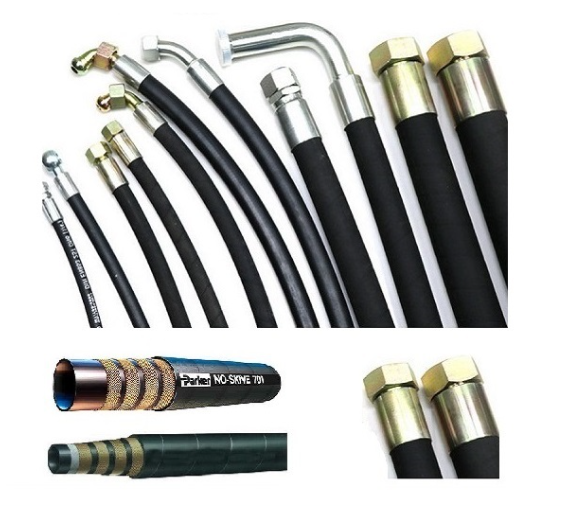
Hydraulic hoses are indispensable power tools in modern machinery. They silently deliver high-pressure fluids in cranes, trucks, and factory machines, helping them move, lift, and perform heavy tasks. However, not all hoses are created equal; hydraulic hoses come in various types, each designed for specific tasks.
These types of hoses differ in their applications, design, and pressure handling. Therefore, understanding their types is crucial for selecting the right hose. Remember, the wrong hose can lead to leaks, safety risks, or mechanical failure. Are you unfamiliar with hydraulic hoses and their types? Don’t worry! This article will explore the different types of hoses in the simplest way possible. Let’s begin!
A hydraulic hose is a flexible tube used to transport high-pressure fluids within machinery. It is an essential component of hydraulic systems that drive various machine parts. Hoses connect different components such as valves, pumps, and cylinders. Therefore, fluid can flow smoothly, driving the movement of other machine parts.
Hydraulic hoses play a vital role in numerous industries. The primary reason for their widespread use is their high flexibility. This means they can be bent and twisted to adapt to different environments and spaces. Furthermore, their robust construction facilitates the handling and transport of high-pressure fluids. Therefore, hydraulic hoses are widely used in many industries, including:
The construction industry uses them in cranes and loaders.
The automotive industry uses them in brakes and power steering.
They are used in presses and robots in modern factories.
The marine industry uses them on offshore drilling platforms and ships.
Composition
Hydraulic hoses are robust, durable, and flexible. Different types of hoses have different compositions due to the different fluids they transport. However, their main components consist of three layers.
Inner Tube: This is the internal component that comes into direct contact with the liquid. Therefore, it must be liquid-compatible to avoid damage. It is primarily made of rubber or plastic.
Reinforcing Layer: The middle layer gives the hose strength, helps the hose remain stable, and prevents bursting. This layer is made of steel wire or spiral steel wire.
Outer Shell: This is the outermost layer that protects the hose. It is in constant contact with the external environment. Therefore, it must be heat-resistant and protected against abrasion and damage.
Workers’ Progress
Hydraulic hoses transport fluid from one part of a machine to another. This fluid, typically oil, powers the mechanical components, enabling them to function properly. The working principle of these hoses is quite simple. For example, when the hydraulic system is started, a pump pushes fluid into the hose. The high-pressure fluid flows through the hose.
The hoses then deliver hydraulic oil to hydraulic components, such as the engine. The engine uses the pressure of the fluid to generate mechanical motion. This motion helps different components perform tasks, such as lifting or pushing heavy objects. After the work is completed, the hydraulic oil returns to a reservoir or tank. When the machine is started, the cycle begins.
Hydraulic hose type
Hopefully, the above information has answered all your questions. Now, let’s explore the different types of hydraulic hoses and see how they differ.
1- Spiral reinforced hydraulic hose
It is a special type of hydraulic hose designed to withstand high pressure. These hoses are made of multiple layers of steel wire wound in a spiral pattern. The wire cage gives the hose extra strength, allowing it to transport corrosive fluids without the risk of bursting or breaking.
Because these hoses are designed for demanding operations, they have higher hydraulic hose pressure ratings. The rating tells us the pressure the hose can safely withstand. The higher the rating, the higher the hose strength. Therefore, these hoses are commonly used in construction machinery and mining vehicles.
- Braided Hydraulic Hose
This is the most commonly used type of hydraulic hose. These hoses are typically used to transport medium to high pressure fluids. Their design involves two or more steel wires wound around the inner tube. The winding method of these wires is similar to braiding a mesh. Therefore, they are called braided hydraulic hoses.
Unlike spiral hoses, braided hoses are not rigid. Their braided design gives them greater flexibility and strength. Therefore, this type of hose is the best choice for machines that need to move frequently in confined spaces. Furthermore, the performance of this type of hose varies depending on the number of steel wire layers.
- Thermoplastic Hydraulic Hose
These hydraulic hoses are primarily made of thermoplastic plastic, not rubber. This material gives them flexibility and chemical resistance. Therefore, they can withstand a variety of harsh external environments. For example, you can use these hoses in extremely cold and hot environments.
A major advantage of thermoplastic hoses is their light weight and compact structure. This means they are easy to install and move in confined spaces. Despite their light weight, they can still deliver high-pressure fluids. Furthermore, these hoses are non-conductive, making them ideal for working around motors.
4- Teflon (PTFE) Hydraulic Hose
Teflon hydraulic hoses are made of a special plastic, polytetrafluoroethylene (PTFE). This material is robust and durable, effectively resisting high temperatures and chemical corrosion. Therefore, these hoses can easily deliver corrosive, high-temperature fluids without bursting. Their unique feature is their non-stick property, meaning they allow fluid to flow without leaving residue.
Therefore, Teflon hoses are easy to clean, making them ideal for applications requiring high cleanliness. Additionally, these hoses are more rigid, requiring precise and careful connections. This is why the installation of hydraulic fittings becomes crucial. Improper installation of these hoses can lead to leaks and safety hazards.
- Suction and Return Hoses
These low-pressure hoses are used to deliver hydraulic oil into and out of the system. The suction hose, located at the pump inlet, draws hydraulic oil from the tank and delivers it to the machine parts. These hoses are typically thicker and reinforced to prevent collapse during suction.
However, at the end of the hydraulic system is the return hose. After the machine finishes its work, the hydraulic oil flows through this hose back to the tank. In short, these two hoses act like blood vessels, ensuring the flow of oil in the hydraulic system. These hoses are primarily made of flexible rubber or synthetic materials.
- Specialty Hoses
Specialty hoses, or custom hoses, are designed for specific tasks. Manufacturers produce these hoses based on industry requirements. For example, if an industry requires fire-resistant or heat-resistant hoses, custom hoses will be used. These hoses may have special protective layers, such as additional layers or sheaths, for fire protection.
Specialty hoses vary in material, length, diameter, and flexibility. Their manufacturing and installation require proper hydraulic hose assembly processes, meaning they must be made from suitable materials and fitted with the correct fittings to prevent leaks. Therefore, these hoses are widely used in the safety-critical aerospace and military industries.
7- Fleet Hydraulic Hose
Fleet hoses are specifically designed for vehicles using hydraulic systems. These hoses are primarily used in buses, trucks, and engineering vehicles. They deliver hydraulic fluid, powering components such as supports, steering systems, and lifts. This allows these components to operate smoothly.
The unique feature of fleet hoses is their resistance to vibration. Vehicles are known to be constantly in motion, exposed to high temperatures, low temperatures, and debris. These hoses, made of braided or wire, effectively withstand various harsh environments. Furthermore, fleet hoses use standard sizes and fittings, making replacement, installation, and maintenance very convenient.
8- Coiled Hydraulic Hose
Coiled hoses look like spirals or springs. They are not flat hoses but are twisted into coils. When you pull a coiled hose, it stretches; however, when you release it, it returns to its original shape. The advantage of these hoses is that they move when you need them and don’t get in your way when you don’t. This design saves space and keeps the area clean and safe. Furthermore, they have a long service life and won’t drag on roads or rough surfaces. However, they cannot transport high-pressure fluids. Therefore, coiled hoses are commonly used for garage tools, car lifts, and small mobile machinery.
Factors to Consider When Choosing Hydraulic Hose
Choosing the right hose is crucial for the safety and lifespan of your machine. For long-term projects, choosing the wrong hose can lead to leaks and financial losses. Therefore, you must consider several factors before purchasing and installing hydraulic hoses. We will explore these factors in this section.
Pressure Rating: The pressure rating tells us how much pressure the hose can withstand. Different types of hoses have different pressure ratings. Some hoses are suitable for low pressure, while others are suitable for high pressure. Therefore, always check the pressure rating and choose the correct hose.
Fluid Type: Hydraulic fluids can transport special liquids such as oil and water. However, not all hoses are suitable for all liquids. Some hoses may react adversely with the liquid, damaging the hose. Therefore, carefully choose a hose that is more compatible with your system.
Temperature: Each hydraulic hose has a different temperature range. Some hoses are designed to withstand high temperatures, while others are designed for low temperatures. Therefore, first, assess the environment in which the hose will be used. Then, select a hose with a suitable temperature range.
Safety Standards: Always choose hoses that meet industry safety standards. These standards ensure the hose is safe to use and of high quality. Using inferior hoses may save money temporarily, but their damage will ultimately cost you.
Maintenance: Not all types of hoses are easy to maintain. Some hoses are easy to inspect, clean, install, and replace, while others are not. To ensure daily use, you should choose hoses that are easy to maintain. This will save you money and time.
Frequently Asked Questions (FAQ)
How often should I replace my hydraulic hoses?
Generally, hydraulic hoses have a lifespan of 5-10 years. However, regularly check the hoses for leaks, bulges, stiffness, and cracks. If you find these signs, replace them immediately.
Can hydraulic hoses be reused?
Hydraulic hoses are generally not reusable. Once used, they may experience invisible wear and internal damage. Reusing these hoses can lead to leaks, bursts, and mechanical failure.
Why Do Hydraulic Hose Blow?
Hydraulic hoses frequently burst due to high pressure or aging. When the internal pressure of the hose becomes too high, it cannot withstand the pressure and eventually bursts. Therefore, choosing the right hose is crucial.
Conclusion
Hydraulic hoses, seemingly simple, support operations in many industries. There are many types of these hoses, each with its own advantages and disadvantages. Therefore, understanding the differences between these hoses is essential for selecting the right one.
For example, some hydraulic hoses are designed for low-pressure fluids. However, some hoses can handle corrosive and high-pressure fluids. Furthermore, these types of hoses differ in temperature handling and maintenance. Now that you have learned about the main types and their uses through this article, you can easily make an informed decision.